


Short-lasting, but with a strong, sharp and sudden pain to one or more teeth that occurs when consuming cold or warm food, and even acidic drinks or food, is an unpleasant and unwanted part of daily life for some of the patients in our practice. Dental hypersensitivity occurs when naked dentin, one of the building tissues of the crown and root of the tooth, is exposed to external stimuli such as a change in temperature.
Statistics show that as many as 40% of adults suffer from dental hypersensitivity. The most common sites of exposed dentin are the areas around the dental necks and along the gum ridge. Consequently, one of the most common causes of dentin stripping is through a brushing action which is too strong – with prolonged, mechanical irritation, the dental tissue retracts and the roots of the teeth are exposed to external stimuli when they should be covered completely with dental tissue. Research shows that women are more committed to maintaining oral hygiene and brushing, and the incidence of dental hypersensitivity is also higher in those who use a toothbrush.
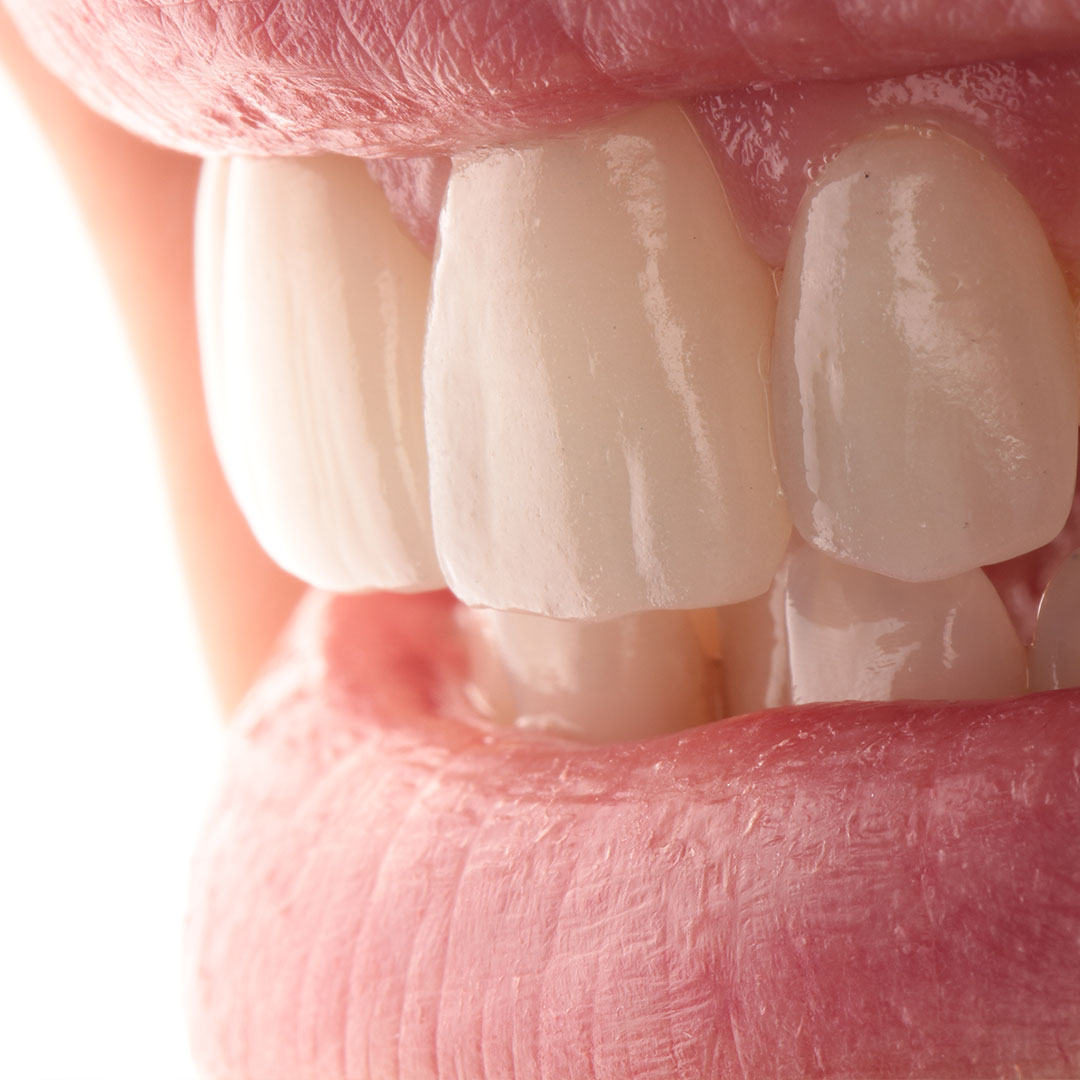
It is important to emphasise that the diagnosis of dental hypersensitivity is made only when all other possible causes of pain are excluded. Therefore, for example, the pain caused by caries cannot be declared as dental hypersensitivity. For this reason, it is important to be checked by the dentist – depending on the cause, the correct course of treatment is then selected.
Many manufacturers advertise toothpaste which counteracts hypersensitivity on the market. Some patients complain that such products are actually ineffective in preventing or relieving pain. However, the key is in the way the pastes are used. Instead of just brushing normally, at the end of your oral hygiene routine, a pea-sized amount of paste should be applied to the finger and massaged into the tooth/gum for 1 min where the root of the tooth is stripped. It is important to spit out the excess paste and not to rinse your mouth. If used properly, the pastes successfully reduces hypersensitivity, even after the first application! Treatment for dental hypersensitivity includes changing the brushing technique and using a softer brush to minimise mechanical trauma and irritation to the gums.
The permanent treatment for root hypersensitivity is a periodontal surgical procedure whereby the dental tissue is “returned” to the area where it should naturally be – in this way, the root of the tooth is covered and protected from external stimuli. Our doctor Jovičević is highly specialised and educated in the field of periodontology, and he performs such procedures in the Aesthetics and Dentistry surgery performing his craft to the highest and most professional of levels.


